
Introduction
In powder metallurgy, metal powder manufacturing, and additive manufacturing, powder properties play an important role in product quality and production consistency. Tapped density is a key parameter used to evaluate how metal powder particles pack together under standardized tapping conditions.
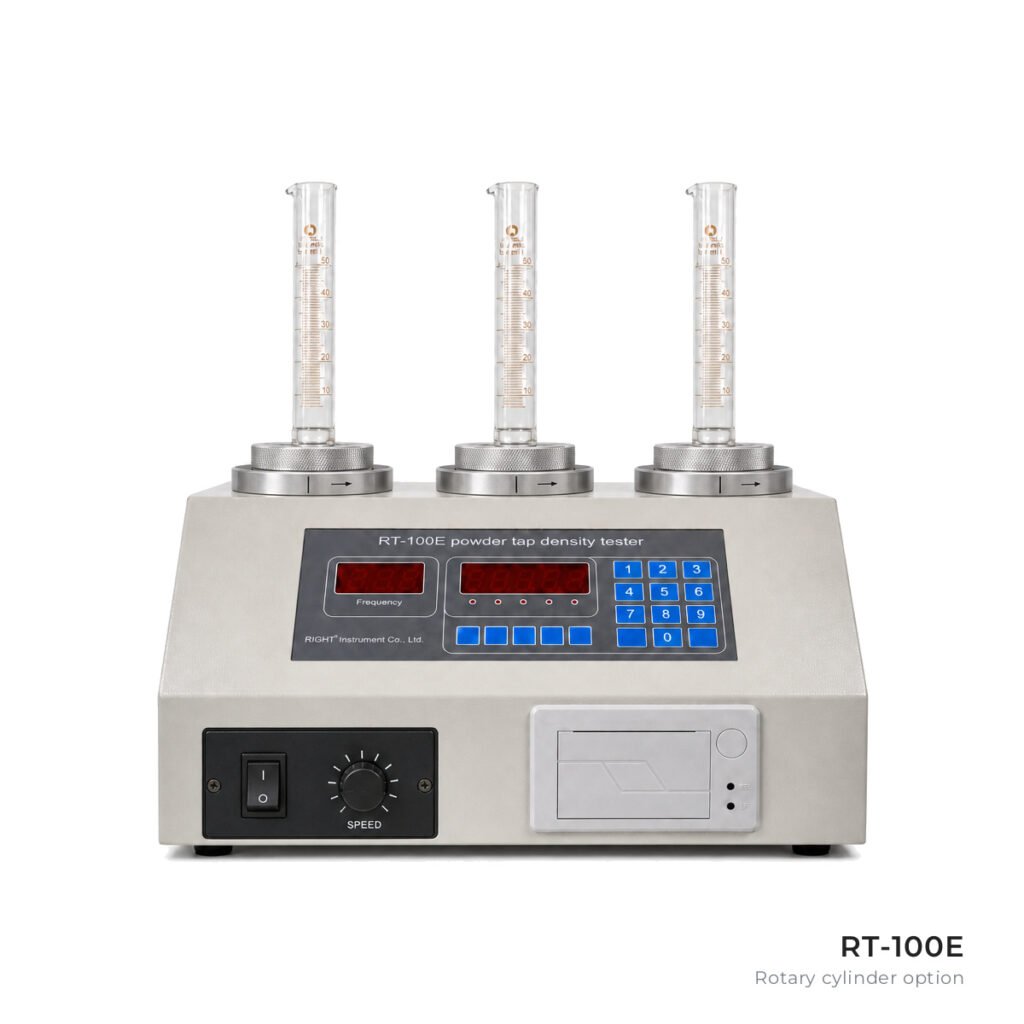
The RT-100 Tapped Density Tester is designed to help laboratories, quality control departments, and material researchers evaluate the tapped density of powders. By providing a consistent testing process, it supports powder characterization, incoming material inspection, production quality control, and research and development.
For manufacturers working with metal powders, including stainless steel, aluminum alloys, titanium alloys, iron-based powders, and copper powders, tapped density testing can provide useful information for evaluating material consistency and comparing powder batches.
1. Why Is Tapped Density Testing Important for Metal Powders?
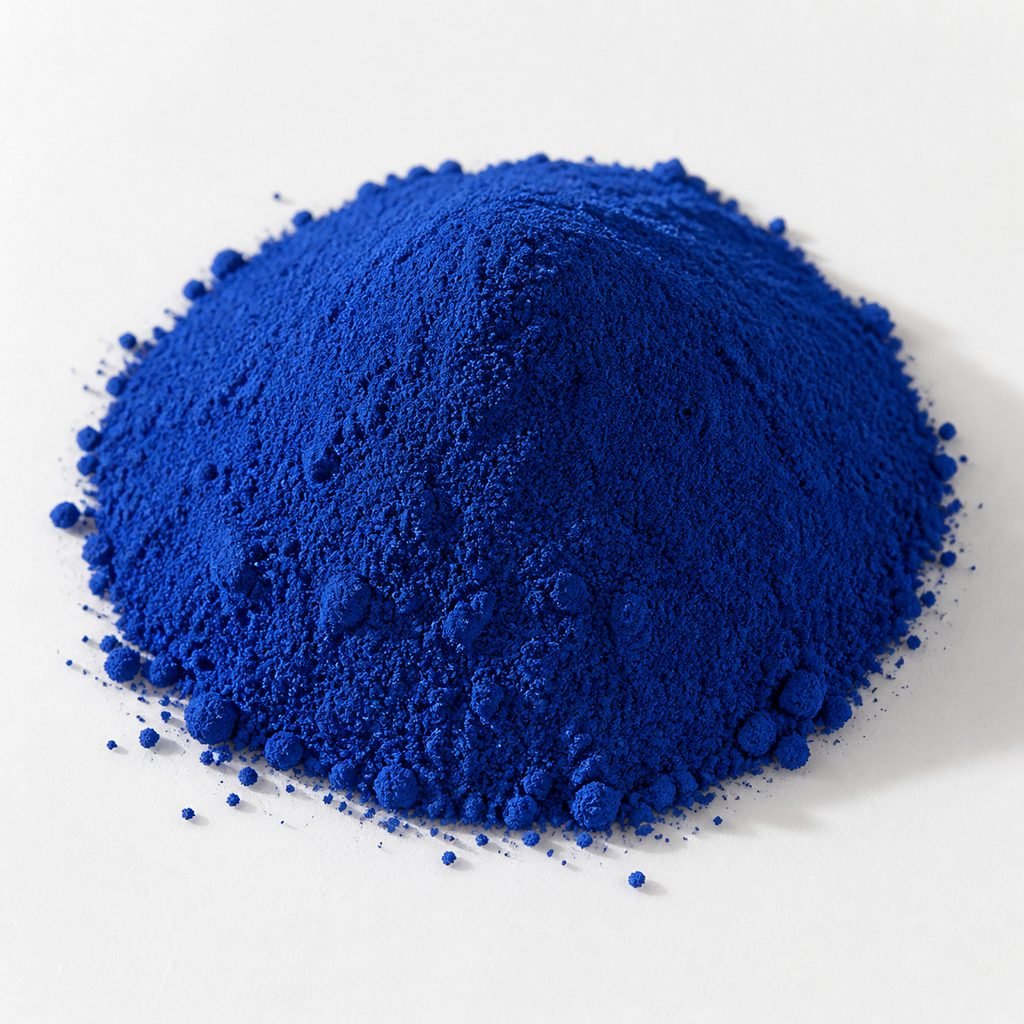
Metal powders are widely used in powder metallurgy, metal injection molding, and metal additive manufacturing. Their particle size distribution, morphology, flow characteristics, and packing behavior can influence processing performance and final product quality.
Tapped density testing helps manufacturers understand how powder particles rearrange and pack together when subjected to repeated mechanical tapping.
1.1 Powder Metallurgy Applications
In powder metallurgy, powder packing characteristics can affect powder filling, compact density, and process consistency. Measuring tapped density helps manufacturers compare raw material batches and investigate variations in powder characteristics.
When combined with other powder characterization methods, tapped density data can support process optimization and incoming material quality control.
1.2 Metal 3D Printing Applications
Metal additive manufacturing relies on consistent powder characteristics to achieve reliable processing results. Tapped density is one of the parameters that can be used to characterize metal powders and compare different powder batches.
For powders used in selective laser melting and other powder-bed fusion processes, tapped density testing can complement particle size analysis, flowability testing, and powder morphology evaluation.
It is important to note that tapped density alone cannot determine printing quality. A comprehensive assessment should also consider particle shape, particle size distribution, oxidation, moisture, and other material and process parameters.
2. Key Benefits of the RT-100 Tapped Density Tester
2.1 Standardized Testing for Consistent Results
Standardized testing procedures help laboratories obtain comparable tapped density measurements under defined conditions.
The RT-100 can be used as part of a powder testing workflow in which the applicable testing standard, sample quantity, measuring cylinder, tapping conditions, and calculation method are selected according to the material and test requirements.
Relevant standards for tapped density testing of metallic powders include ISO 3953 and ASTM B527. Users should confirm the applicable edition and the instrument’s actual configuration before conducting compliance-related testing.
Consistent testing conditions help users compare batches, document material characteristics, and maintain quality control records.
2.2 Reliable Powder Characterization
Tapped density testing provides information about the packing behavior of powder particles after repeated tapping.
For quality control applications, repeatable testing conditions are essential when comparing different powder batches or evaluating changes in powder production processes.
The RT-100 can support routine powder characterization by helping users follow a consistent testing procedure and record measurement results. Actual measurement accuracy and repeatability depend on the instrument specifications, calibration status, sample characteristics, and operating conditions.
2.3 Suitable for Multiple Powder Testing Applications
The RT-100 is relevant to laboratories and manufacturers working with different types of powder materials, subject to the instrument’s specified testing range and compatible accessories.
Potential applications include:
- Powder metallurgy: Characterizing iron-based and other metal powders used in compacting and sintering processes.
- Metal 3D printing: Comparing tapped density results for stainless steel, titanium alloy, aluminum alloy, and other additive manufacturing powders.
- Metal powder production: Evaluating powder batches after atomization, classification, and screening.
- Research and development: Investigating the relationship between powder production parameters and packing characteristics.
- Quality control laboratories: Recording and comparing powder test results as part of incoming inspection and routine material evaluation.
For very fine or cohesive powders, sample handling and testing conditions should be carefully controlled to minimize the influence of agglomeration and environmental factors.
2.4 Convenient Testing and Quality Control
A consistent testing workflow helps reduce unnecessary variation caused by differences in manual operation.
When equipped with the corresponding functions and accessories, the RT-100 can be incorporated into routine laboratory testing procedures for powder sample preparation, tapping, measurement, calculation, and result recording.
To improve data traceability, laboratories should document sample identification, test conditions, applicable standards, measurement results, and calibration information.
These records help quality control teams compare powder batches and investigate changes in material properties over time.
3. Practical Applications of Tapped Density Testing
3.1 Powder Metallurgy: Comparing Raw Material Batches
Powder metallurgy manufacturers need consistent raw materials to support stable production processes.
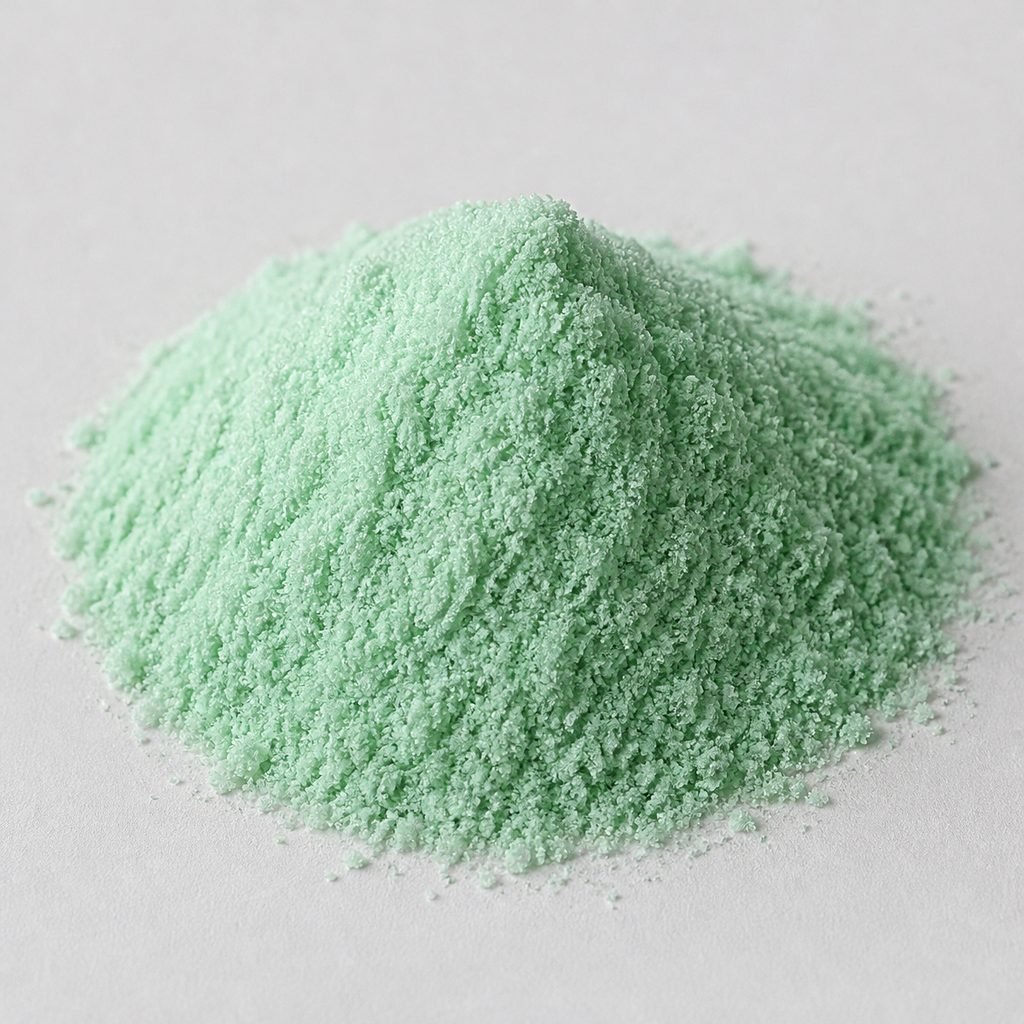
Tapped density measurements can be used to compare incoming powder batches and identify differences in packing behavior. If significant variations are observed, manufacturers can investigate potential contributing factors such as particle size distribution, particle morphology, and powder processing conditions.
Combining tapped density results with compact density, flowability, and finished-product inspection provides a more comprehensive basis for process improvement.
3.2 Metal 3D Printing: Characterizing Additive Manufacturing Powders
In metal additive manufacturing, powder characteristics can influence powder handling and processing behavior.
The RT-100 can support comparative testing of metal powders used in additive manufacturing. By monitoring tapped density alongside particle size distribution, apparent density, flowability, and morphology, users can build a more complete picture of powder quality.
Tapped density results should be interpreted together with other material parameters rather than used as the sole acceptance criterion for printing powders.
3.3 Research and Development: Evaluating Powder Production Processes
Material researchers can use tapped density measurements to compare powders produced under different atomization, classification, or screening conditions.
By keeping testing conditions consistent, researchers can investigate how changes in powder characteristics affect packing behavior. The resulting data can support material selection, process development, and powder quality evaluation.
4. Recommended Testing and Maintenance Practices
Reliable tapped density results depend on both instrument condition and correct sample handling.
4.1 Sample Preparation
Prepare a representative powder sample in accordance with the applicable testing standard. Use the specified sample quantity and measuring cylinder, and avoid unnecessary changes to the sample’s moisture condition or handling procedure.
For fine or cohesive powders, take appropriate precautions to minimize contamination, powder loss, and changes in sample condition.
4.2 Select the Appropriate Test Conditions
Select the tapping conditions, test endpoint, measuring cylinder, and calculation method according to the relevant standard and the instrument’s operating instructions.
Do not assume that a single set of parameters is suitable for every powder material or testing standard.
4.3 Perform the Test and Record Results
Check that the measuring cylinder and accessories are correctly installed before starting the test.
After completing the specified tapping procedure, determine the final powder volume and calculate tapped density according to the applicable method:
Tapped Density = Mass of Powder / Final Tapped Volume
Record the sample identification, test conditions, final volume, calculated result, and other information required by your laboratory’s quality management procedures.
4.4 Clean and Maintain the Instrument
After testing, remove residual powder from the measuring cylinder and other accessible components according to the manufacturer’s instructions.
Regularly inspect the tapping mechanism, cylinder holder, and other relevant components. Follow the recommended calibration and maintenance schedule to help maintain reliable operation.
For comparisons between batches, use consistent testing conditions and the same applicable method.
5. Why Choose the RT-100 Tapped Density Tester?
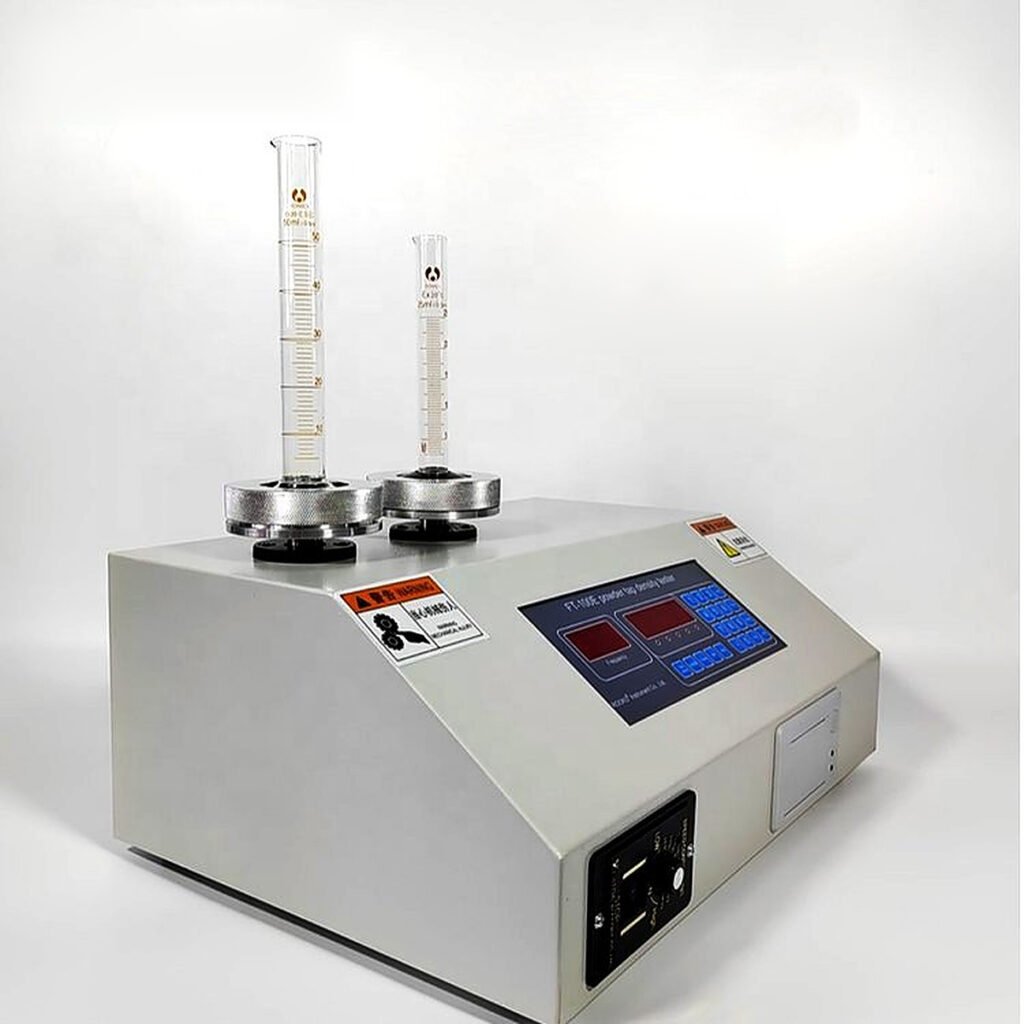
The RT-100 provides a practical solution for laboratories and manufacturers that need to characterize the tapped density of powder materials.
Its potential value in powder testing workflows includes:
- Supporting tapped density evaluation for powder characterization and quality control.
- Helping users compare material batches under consistent testing conditions.
- Providing useful data for powder metallurgy and metal additive manufacturing applications.
- Supporting research into powder properties and production process variations.
- Complementing other powder testing methods for a more comprehensive material evaluation.
The appropriate instrument configuration, testing range, applicable standards, and available functions should be confirmed against the official RT-100 technical specifications.
Conclusion
Tapped density is an important parameter for understanding the packing behavior of metal powders used in powder metallurgy, additive manufacturing, and other industrial applications.
The RT-100 Tapped Density Tester can support routine powder characterization, material comparison, laboratory research, and quality control when used with the appropriate testing method and operating conditions.
For manufacturers and laboratories seeking to improve powder evaluation procedures, combining tapped density testing with other relevant powder characterization methods can provide a more reliable basis for material assessment and process optimization.
Contact RIGHT Instrument to learn more about the RT-100 Tapped Density Tester, its technical specifications, and its suitability for your powder testing requirements.